
Nursing Education Club
For students who want to strengthen teaching–learning ideas, lesson planning, and how nursing is taught and learned in academic settings.

Association
Department-supported academic forums where students explore one nursing domain at a time.
Academic clubs sit under the college’s student activities umbrella: they organise talks, demonstrations, and small projects with faculty guidance so participation stays tied to the B.Sc Nursing curriculum. The list below follows the same idea as departmental club pages—each entry is only the club name and a short description of its focus. Further down, themed health observances and an event photo gallery show how those ideas extend into campus and community programmes.
For students who want to strengthen teaching–learning ideas, lesson planning, and how nursing is taught and learned in academic settings.
For building skills in finding studies, appraising evidence, and linking trustworthy research to everyday clinical questions.
For outreach, camps, and population-focused learning aligned with community health nursing practice.
For peer awareness, respectful conversation, and learning that reduces stigma around mental health.
For linking diet, growth, and wellness themes to nursing assessment and simple client education.
For refresher sessions on first response, scene basics, and emergency readiness on and off campus.
For reinforcing hand hygiene, asepsis, and habits that keep patients and caregivers safer from infection.
For topics across maternity and child health that mirror coursework and community expectations.
For adult medical–surgical concepts, ward routines, and holistic care for common acute and chronic conditions.
For ethics, teamwork, representation, and growing confidence as student nurses and future professionals.
For clear health messages, simple teaching aids, and audience-tailored communication practice.
For comfort-centred care themes, dignity, and family-centred conversations in serious and life-limiting illness.
For preparedness, triage awareness, and nursing roles during mass events and disaster response.
The college marks major global and national health days with talks, posters, and outreach. The lines below are illustrative themes for planning; exact dates follow WHO and institutional calendars each year.
Sessions on growth, consent, and healthy habits that prepare nurses to support young people with empathy and facts.
Awareness on prevention, early warning signs, and the nurse’s role in education and supportive care.
Refresher on cough hygiene, adherence, and community messaging to reduce stigma around tuberculosis care.
Peer pledges and talks linking substance risks to mental health, safety, and professional boundaries.
Celebrates midwifery contributions with skills corners on respectful maternity care and newborn support.
Inhaler technique demos, trigger avoidance tips, and when to escalate care—taught in plain language.
Honours the profession through reflections on ethics, advocacy, and the future of nursing in Kerala and beyond.
Green-campus actions and talks on how cleaner surroundings directly support patient recovery and staff well-being.
Classroom and outreach messaging on harm, refusal skills, and referral pathways for those who need help.
Latch guidance myths vs facts, working mothers’ challenges, and promotion of exclusive breastfeeding where appropriate.
Gentle focus on memory-friendly communication, caregiver strain, and dignity in long-term support settings.
Open conversations on stress, sleep, and help-seeking—normalising mental health as part of whole-person nursing.
Schedule clarity, cold-chain basics at a lay level, and why vaccines remain a cornerstone of public health.
Child-rights framing with playful teaching aids that show how nurses make hospitals less frightening for kids.
Foot care reminders, diet plate models, and simple glucose concepts patients can actually use at home.
Finish-your-course messaging, hand hygiene reinforcement, and why rational use of medicines protects everyone.
Compassion-first HIV literacy: testing routes, U=U concepts at introductory level, and fighting discrimination.
Hydration myths, blood pressure link to kidneys, and when screening conversations belong in community nursing.
Moments from awareness drives, camps, and school programmes. Captions follow the photo filenames so each image stays tied to its activity theme.
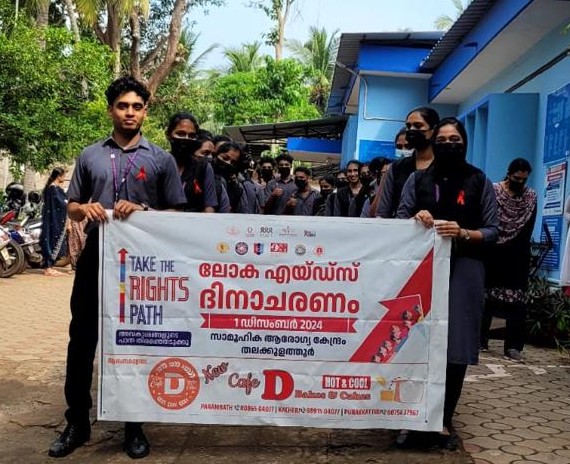
World AIDS Day
Red-ribbon awareness and peer education on testing, treatment access, and dignity for people living with HIV.
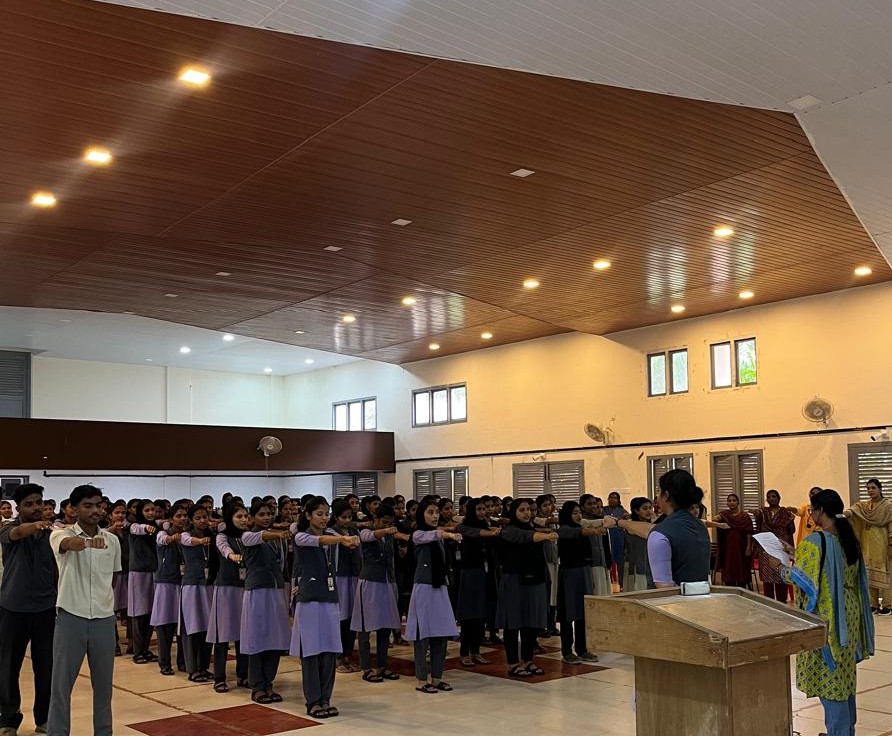
Anti-drug pledge
Students commit to a drug-free campus and learn how nurses spot early warning signs in vulnerable adolescents.
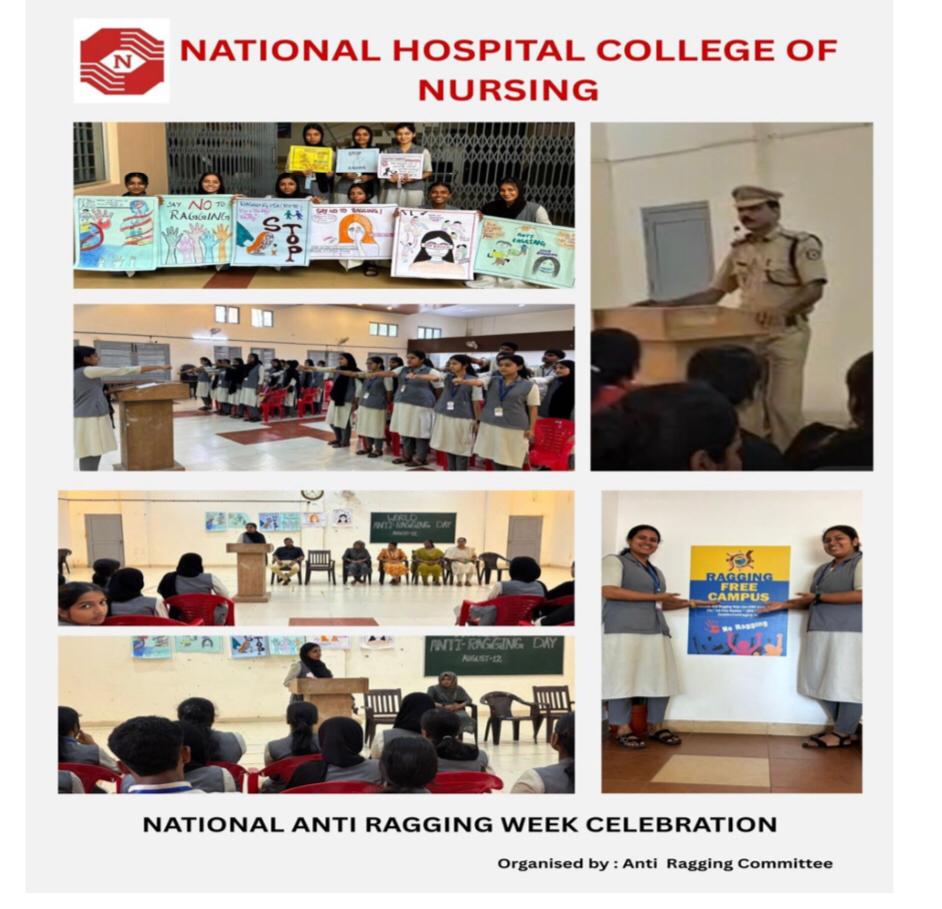
Anti-Ragging week
Posters, helpline reminders, and senior–junior dialogues that reinforce zero tolerance and respectful learning spaces.
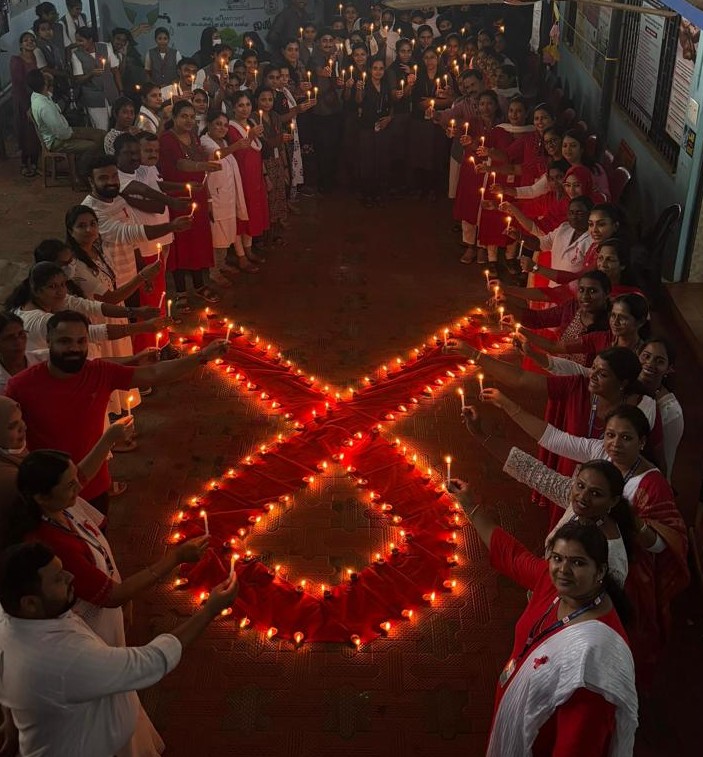
AIDS awareness session
Another frame from the same campaign cycle—story-led Q&A to reduce fear and misinformation.
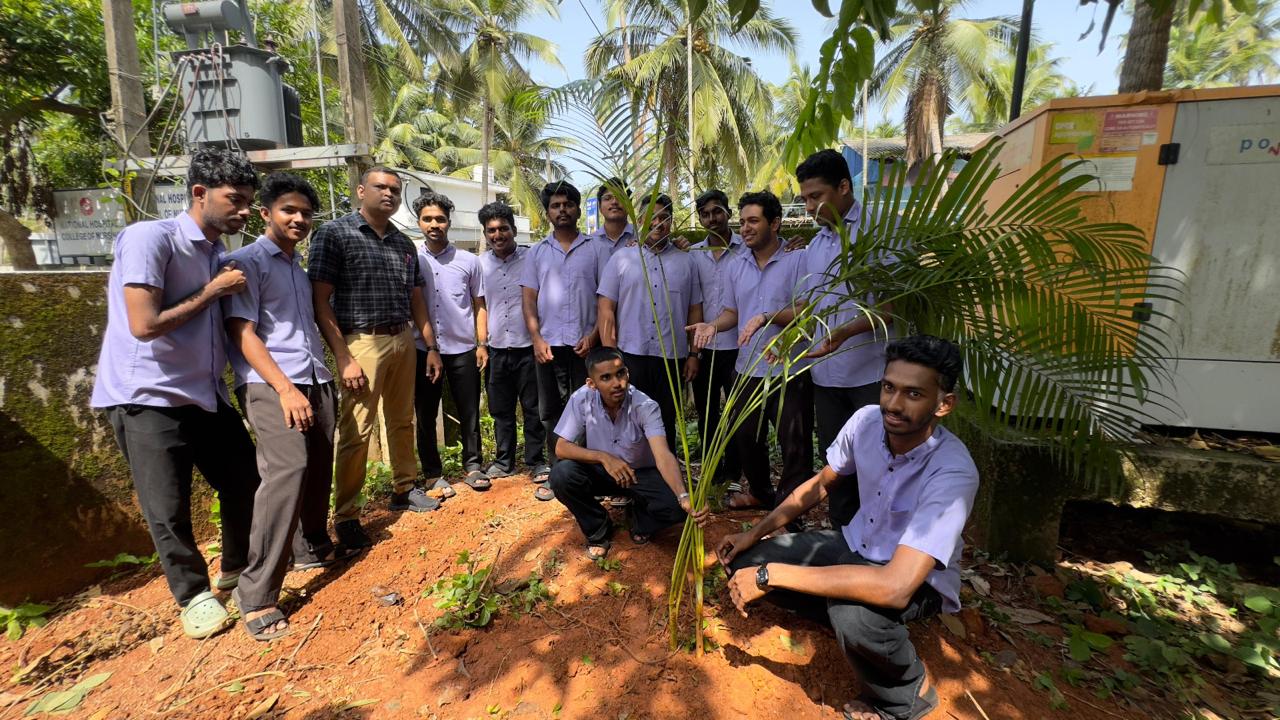
World Environment Day
Campus clean-up and brief talks on waste segregation linked to infection prevention and community pride.
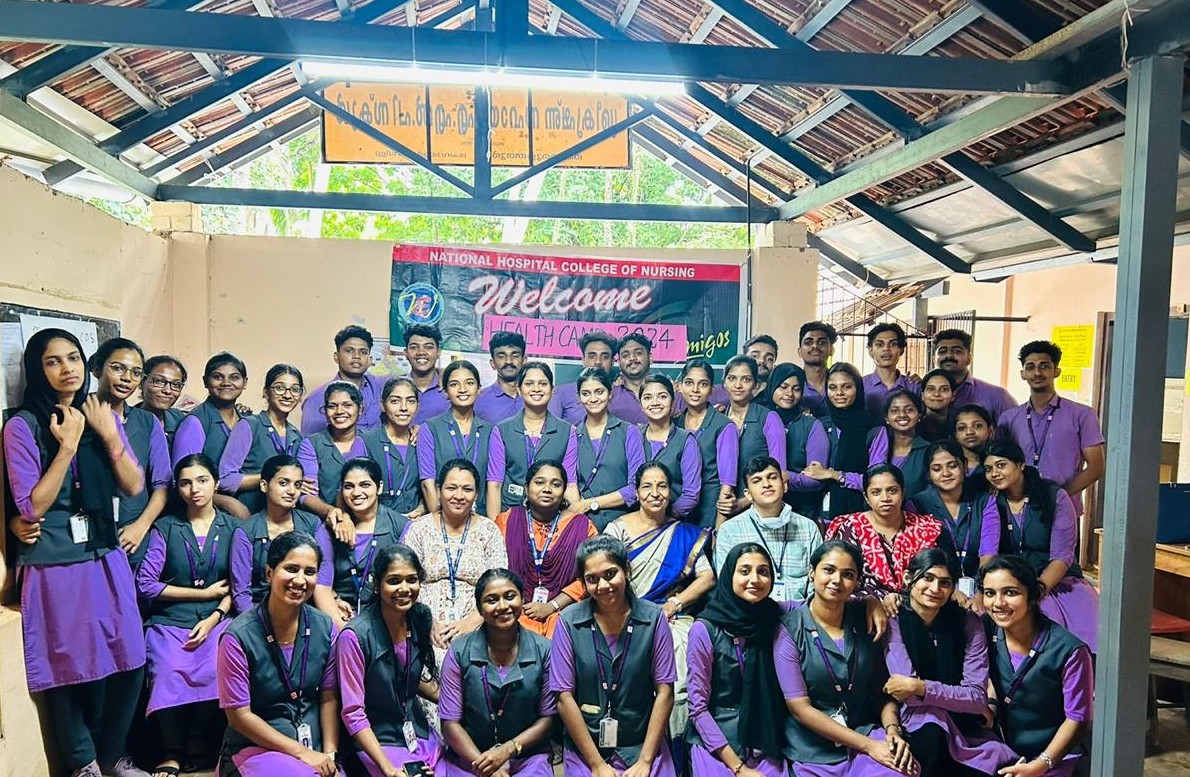
Community health camp
Vitals, BMI, and counselling desk where student nurses practise screening under faculty supervision.
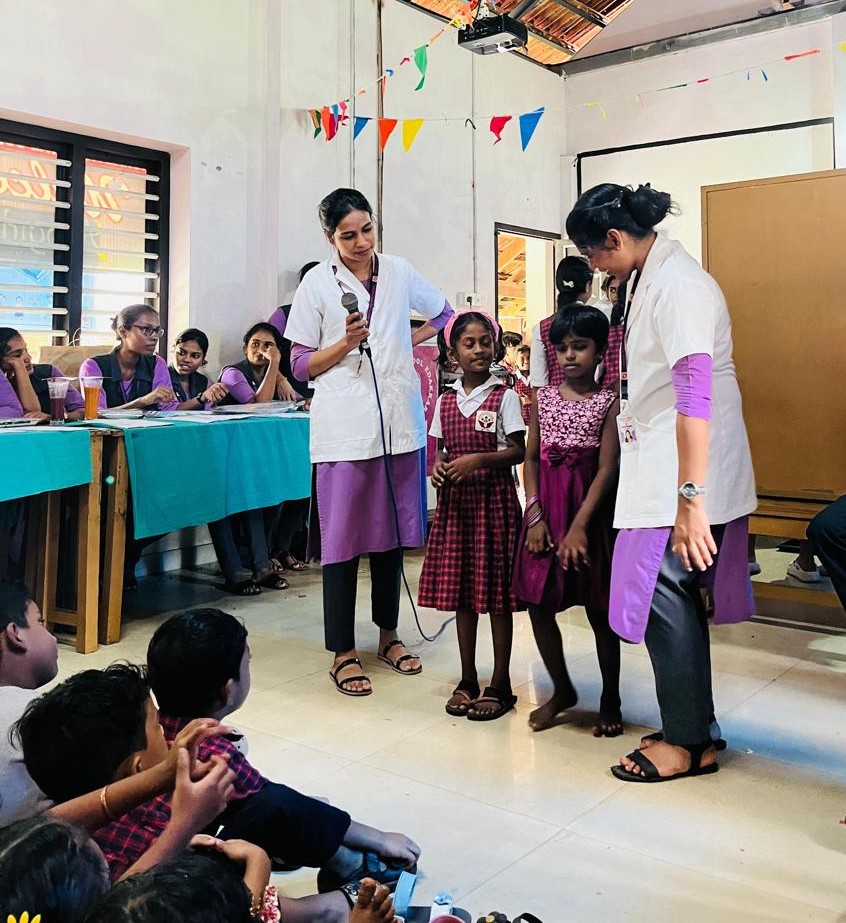
Health camp — screening
Queue discipline and documentation drills mirror how district camps run during outbreak or pulse-polio drives.
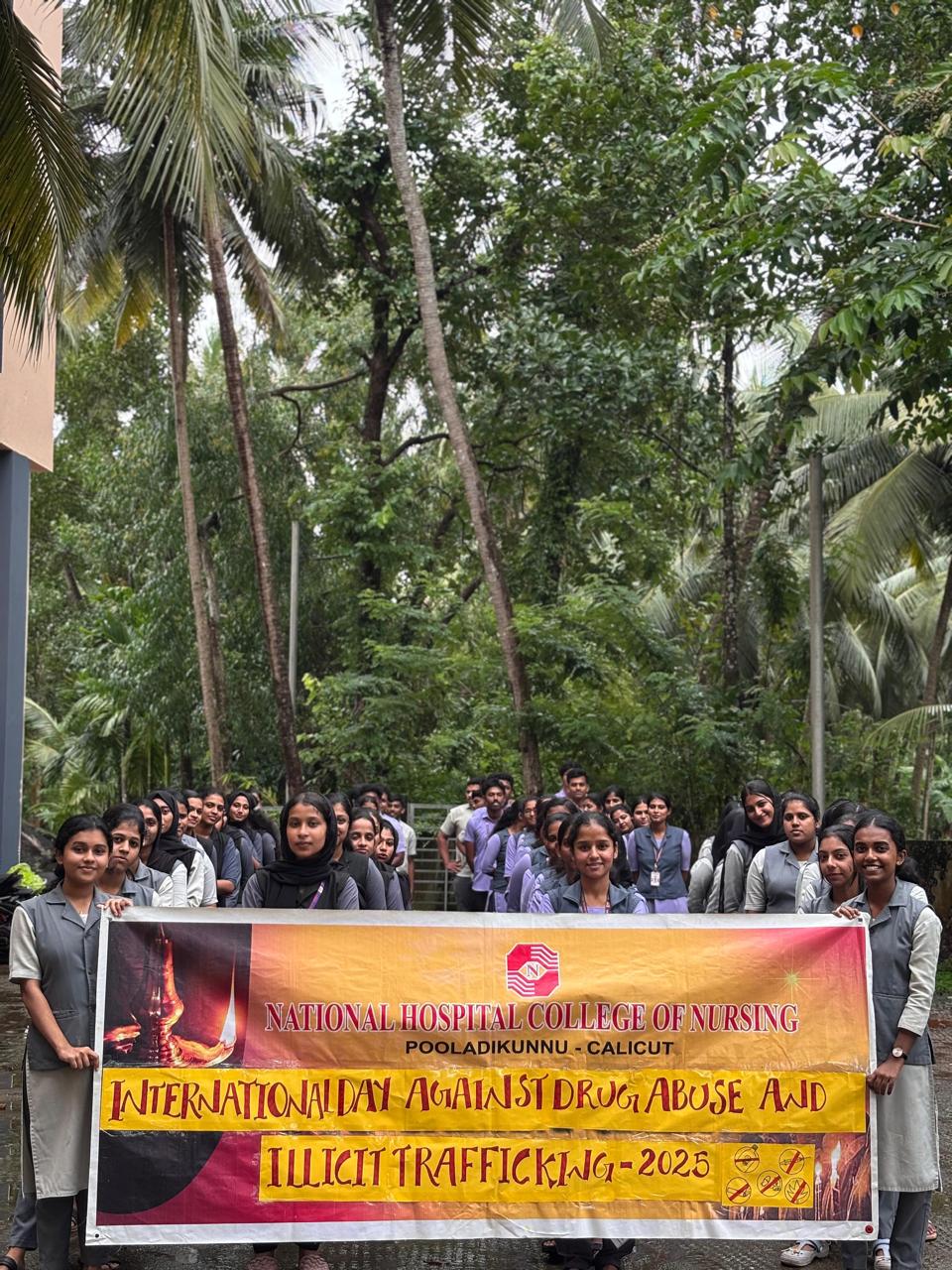
International Day Against Drug Abuse
Street-play style energy with factual inserts on opioids, alcohol, and where confidential help can start.
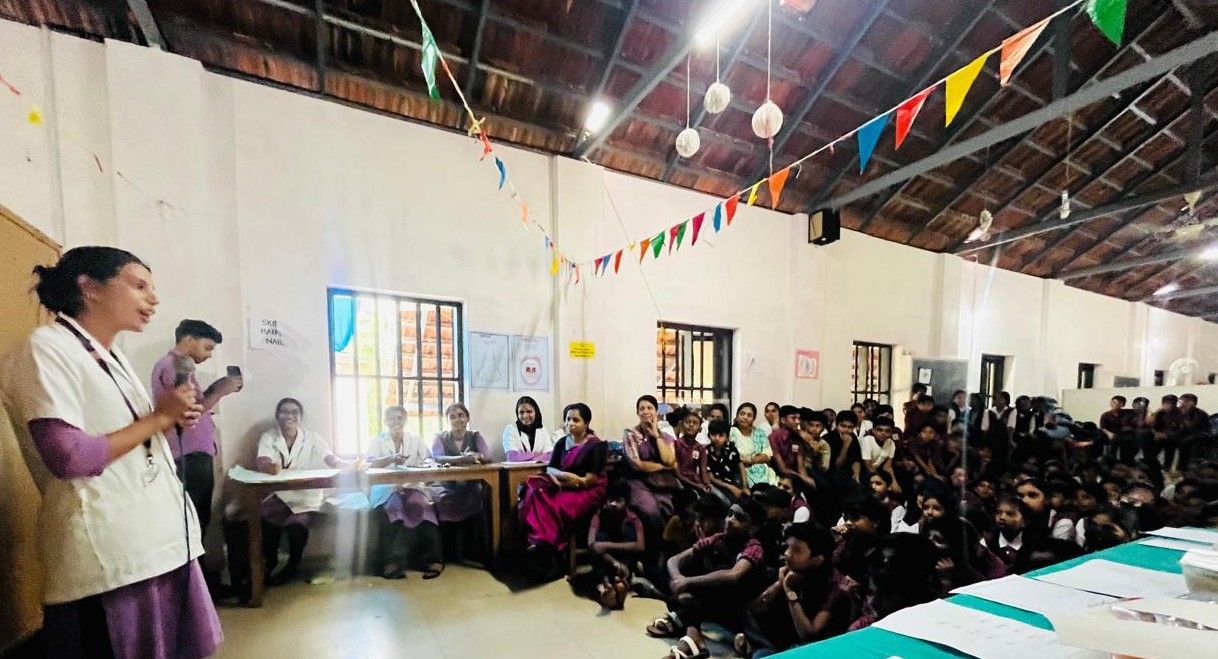
School health programme
Classroom height-weight charts and hygiene songs that make primary-school prevention memorable and measurable.
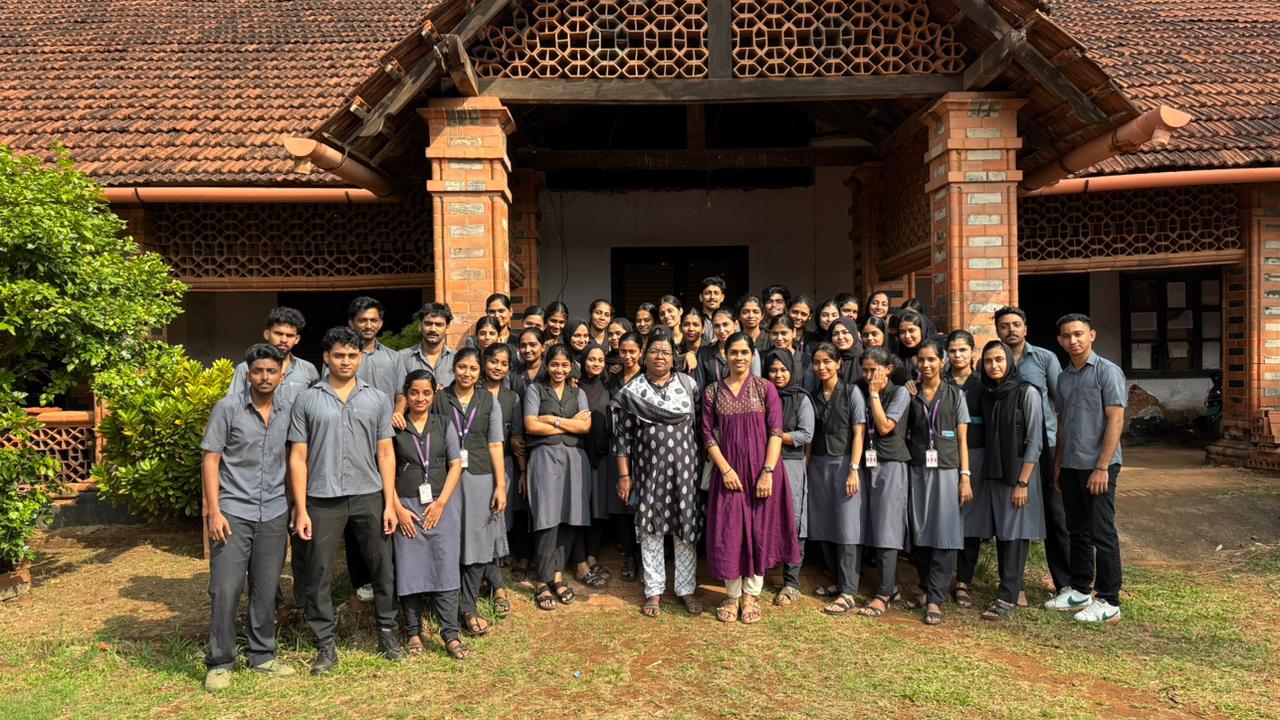
Factory Visit
Health assessment for factory workers, with practical health education on prevention and workplace wellness.
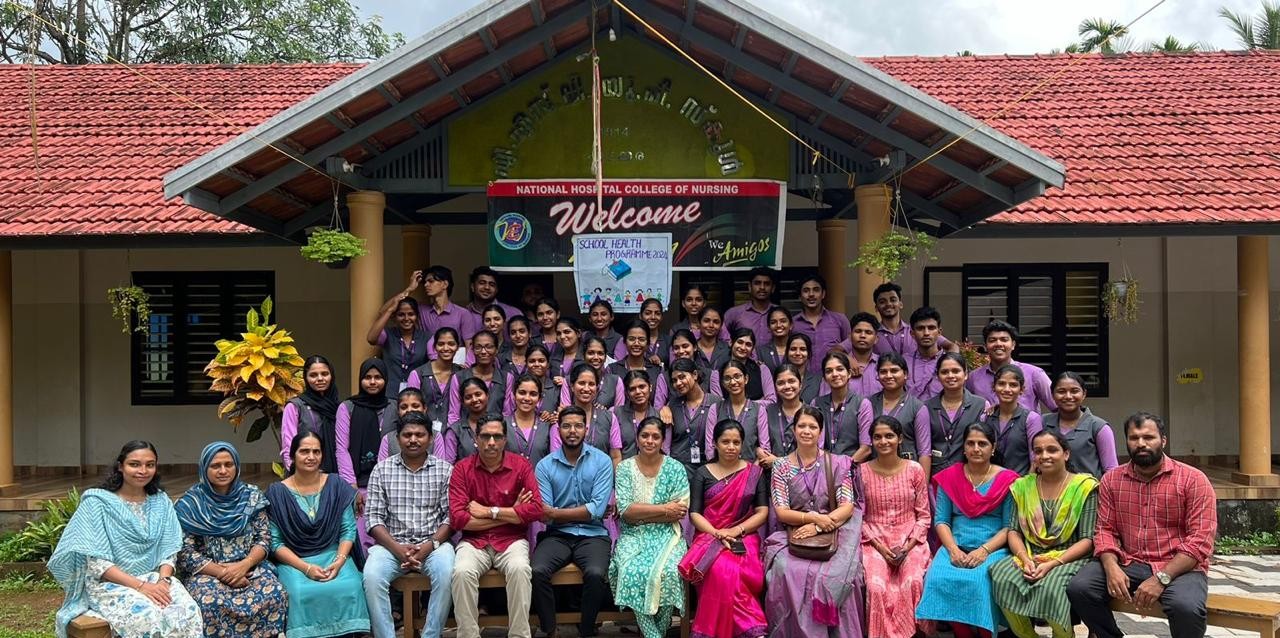
School Health Programme
Interactive station on balanced plates tying into World Diabetic Day and adolescent wellness themes.